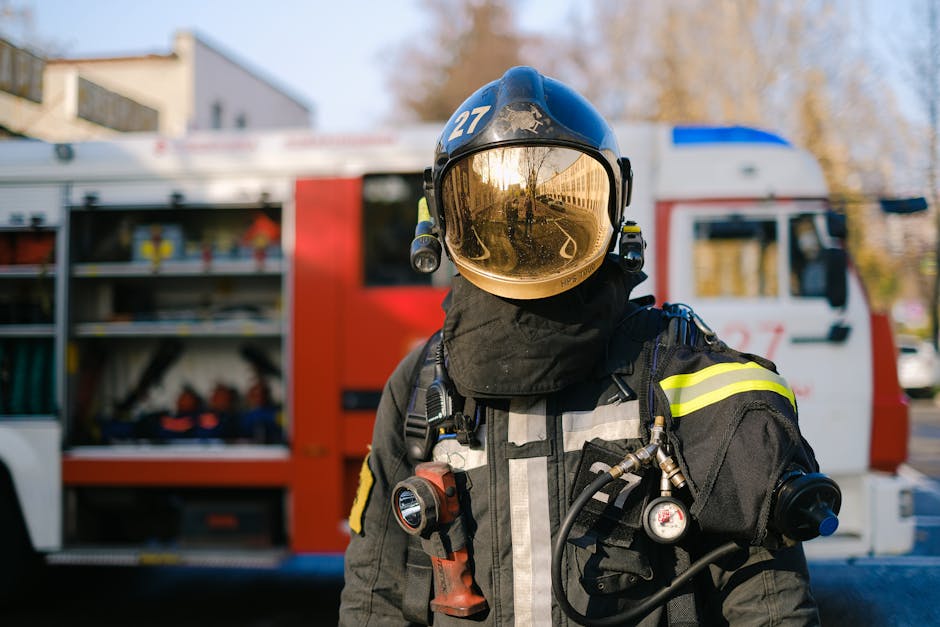
Understanding the CBRN Threat Landscape
CBRN stands for Chemical, Biological, Radiological, and Nuclear. Each element presents a different type of hazard, but all share three operational challenges for first responders: detection, protection, and decontamination. When a CBRN incident occurs—whether an accidental release at a chemical plant, a deliberate bioterror attack, or a radiological dispersal device—responders must quickly identify the agent, safeguard themselves, and prevent the hazard from spreading.
Because the consequences of exposure can be severe and because the public expects swift, coordinated action, agencies have developed specific equipment, training, and procedures. Knowing exactly what is required, and why, helps responders move from “what if” to “what now” when the first alarms sound.
Core Equipment Every CBRN Responder Must Have
The equipment list can be divided into four functional groups: detection, protective gear, communication, and decontamination. Each group contains items that are essential for a safe and effective response.
1. Detection and Identification Tools
- Portable Chemical Agent Sensors: Hand‑held devices that use ion mobility spectrometry or colorimetric detection to flag volatile chemicals such as sarin, chlorine, or industrial solvents.
- Biological Agent Samplers: Conductive swabs, air‑sampling pumps, and rapid immunoassay kits to collect possible spores, toxins, or viruses for on‑site or laboratory analysis.
- Radiological/Nuclear Survey Meters: Geiger‑Müller counters, scintillation detectors, and dosimeters that measure gamma, beta, and neutron radiation levels, plus a read‑out of dose rates.
- Integrated CBRN Detection Suites: Multi‑sensor platforms that fuse data from chemical, biological, and radiological sensors, delivering a single read‑out on a rugged tablet.
2. Personal Protective Equipment (PPE)
- Level A Suit: Fully encapsulated, gas‑tight suit with self‑contained breathing apparatus (SCBA). Used when the hazard is unknown or highly toxic.
- Level B Suit: Non‑impermeable suit paired with SCBA. Suitable when the contaminant is known to be a liquid splash or low‑volatility vapor.
- Level C Suit: Protective clothing with an air‑purifying respirator (APR). Deployed when the type of agent is identified and air concentrations are below IDLH (Immediately Dangerous to Life and Health) levels.
- Level D Clothing: Standard uniforms or work clothing for command staff operating in a hot zone with no identified hazard.
- Gloves, Boots, and Eye Protection: Must be compatible with the chosen suit level and replaceable after each exposure.
3. Communication and Coordination Systems
- Encrypted Radio Networks: Secure voice channels that operate on designated public safety frequencies, allowing incident commanders to direct assets without interference.
- Mobile Data Terminals (MDTs): Rugged tablets that display live sensor feeds, GIS maps, and responder locations.
- Incident Management Software: Cloud‑based platforms that support resource tracking, task assignment, and real‑time reporting.
4. Decontamination Assets
- Portable Decontamination Showers: High‑flow water units with fixed‑dose chemical neutralizers (e.g., sodium hypochlorite for chlorine compounds).
- Gross Decontamination Pools: Larger, vehicle‑mounted systems for mass decontamination of civilians.
- Absorbent Materials and Neutralizing Sprays: For quick containment of small spills before full decon can be set up.
- Waste Collection Containers: Labeled, sealed drums that can be transported to hazardous waste facilities under DOT regulations.
Training and Certification Requirements
Having the right gear is only half the solution. Responders must be competent in using it. Training programs are typically organized around national standards, such as the U.S. Department of Homeland Security’s (DHS) National Response Framework (NRF) and the Occupational Safety and Health Administration’s (OSHA) Respiratory Protection Standard (29 CFR 1910.134). Below are the core competencies that agencies expect.
Baseline CBRN Awareness
- Identify the four CBRN categories and typical sources.
- Understand the concept of the “hot zone,” “warm zone,” and “cold zone.”
- Recognize the signs and symptoms of exposure for common agents.
Specialized PPE Donning and Doffing
- Practice Level A–D suit procedures in a controlled environment.
- Perform seal checks on SCBA facepieces and verify air supply.
- Execute the “buddy system” checklist to confirm each team member’s readiness.
Detection and Sampling Techniques
- Calibrate handheld sensors before each shift.
- Collect air, surface, and water samples according to EPA’s National Contingency Plan.
- Maintain chain‑of‑custody documentation for laboratory analysis.
Decontamination Operations
- Set up a decontamination corridor following the “traffic flow” principle (contaminated → decontamination → clean).
- Apply appropriate neutralizing agents based on the identified chemical.
- Monitor runoff water for residual contamination.
Command and Control
- Operate the Incident Command System (ICS) structure specific to CBRN incidents.
- Use MDTs to share sensor data with higher‑level command.
- Coordinate with public health officials for medical triage and quarantine decisions.
Certification is often issued by accredited fire training academies or state emergency management agencies. Recertification typically occurs every two years, combined with a minimum number of practical drills.
Logistical Support: Getting Gear Where It’s Needed
In a CBRN event, the speed of logistics can be decisive. Agencies adopt a tiered supply model to ensure that the right assets arrive at the right time.
Pre‑Positioned CBRN Caches
- Located at regional fire stations, hospitals, and emergency operation centers.
- Contain Level A/B suits, SCBA bottles, decontamination kits, and portable detectors.
- Regularly inspected for expiration dates on chemical neutralizers and battery life on sensors.
Rapid Deployment Teams (RDTs)
- Specialized units that travel in dedicated CBRN trucks or aircraft.
- Equipped with larger decontamination systems, mobile labs, and additional PPE stocks.
- Can be on scene within 2‑4 hours of activation, depending on distance.
Mutual‑Aid Agreements
- Formal contracts between neighboring jurisdictions to share resources.
- Include cross‑training provisions so responders understand each other’s equipment.
- Provide a legal framework for reimbursement and liability coverage.
Medical Support and Exposure Management
First responders are both victims and protectors in a CBRN situation. Immediate medical considerations include monitoring for symptoms, providing prophylaxis where applicable, and ensuring that responders who have been contaminated are decontaminated before entering medical facilities.
On‑Scene Medical Kits
- Antidotes for known chemical agents (e.g., atropine for organophosphates, pralidoxime for nerve agents).
- Personal dose‑adjusted vitamin K for certain radiological exposures.
- Rapid‑turnover intravenous kits for shock treatment.
Exposure Monitoring
- Individual dosimeters record cumulative radiation dose; data uploaded to the incident command system.
- Biological sampling (blood, urine) for agents such as anthrax spores, with results relayed to public health labs.
Post‑Incident Health Surveillance
- Establish a registry of responders who entered the hot zone.
- Schedule periodic medical exams for up to five years, depending on agent type.
- Coordinate with occupational health services to track long‑term effects.
Legal and Policy Frameworks Guiding CBRN Response
First responders operate within a set of statutes and guidelines that define authority, responsibilities, and liability. Understanding these frameworks helps avoid procedural errors that could compromise the response.
National Response Framework (NRF)
The NRF outlines a unified approach for all levels of government. It designates the Department of Homeland Security as the lead federal agency for CBRN incidents, with the Environmental Protection Agency handling contamination control.
Incident Command System (ICS) Integration
ICS provides a scalable command structure. For CBRN events, the Operations Section includes a dedicated Hazardous Materials (HazMat) Branch that works closely with the Planning Section to adjust tactics based on sensor data.
Worker Safety Regulations
- OSHA’s Respiratory Protection Standard mandates fit testing and medical clearance for SCBA users.
- The Worker Adjustment and Retraining Notification (WARN) Act may apply if a large‑scale incident forces temporary closures of facilities.
Inter‑Agency Agreements
Memoranda of Understanding (MOUs) between fire departments, public health, and law enforcement clarify who leads decontamination, who provides medical triage, and how evidence is preserved for potential criminal investigations.
Common Pitfalls and How to Avoid Them
Even well‑trained teams can stumble during a high‑stress CBRN event. Recognizing frequent errors helps prevent them.
Pitfall 1: Inadequate Situation Assessment
Rushing to don Level A PPE before confirming the nature of the hazard can waste time and deplete limited resources. A rapid “scoop and scan” using portable detectors should precede full protective deployment.
Pitfall 2: Communication Breakdown
Using unsecured civilian radios can lead to mis‑heard commands. Always switch to the designated encrypted channel before entering the hot zone.
Pitfall 3: Improper Decontamination Flow
Allowing contaminated personnel to backtrack through a decontamination corridor re‑contaminates the clean area. Establish a one‑way flow and use physical barriers to enforce it.
Pitfall 4: Failure to Track PPE Usage
Without a log of suit issuance and removal, it becomes impossible to know who may have been exposed. Implement a digital check‑in system that timestamps each donning and doffing event.
Pitfall 5: Neglecting Post‑Incident Documentation
Incomplete incident reports hinder after‑action reviews and can affect funding for future preparedness. Assign a dedicated recorder who captures sensor readings, responder locations, and decontamination metrics in real time.
Examples of Real‑World CBRN Deployments
Examining past incidents highlights the practical application of the equipment and procedures described above.
1995 Tokyo Subway Sarin Attack
First responders relied on portable gas detectors that identified a nerve agent odor. Because the chemical was unknown, teams wore Level A suits and initiated full decontamination of the subway cars. The incident demonstrated the importance of rapid detection and the need for readily available antidotes (atropine, pralidoxime).
2011 Fukushima Daiichi Nuclear Accident
Radiation monitors deployed by emergency crews measured dose rates exceeding 10 Sv/h near the reactor building. Responders used Level B suits with SCBA, and decontamination stations were set up at the plant perimeter for workers exiting the hot zone. The event underscored the value of pre‑positioned radiation dosimeters and clear zone demarcation.
2020 COVID‑19 Pandemic – Biological Hazard Considerations
Although not a traditional CBRN “attack,” the pandemic forced many fire and EMS departments to treat a highly contagious pathogen as a biological agent. Agencies adopted Level C PPE (gowns, gloves, N95 respirators) for field assessments and established mobile testing stations to sample air in public spaces. The scenario highlighted the need for flexible PPE protocols that can scale with the threat level.
Future Considerations for First Responder Readiness
Technology and policy continue to evolve. While this article does not predict specific innovations, it is worth noting the trends that influence preparedness.
- Integration of artificial intelligence in sensor data fusion to reduce false positives.
- Development of lighter, reusable Level A suits that incorporate nanomaterial barriers.
- Expansion of joint training exercises that include public health and law‑enforcement partners.
- Standardization of data exchange formats across federal, state, and local incident management platforms.
Staying aware of these trends allows agencies to adjust procurement cycles and training curricula before gaps become critical.
First responders face a unique combination of danger, uncertainty, and responsibility during CBRN emergencies. Having the right detection tools, protective gear, communication systems, and decontamination resources—combined with rigorous training, clear legal guidance, and robust logistical support—creates a resilient response capability. By understanding each component’s purpose and how it fits into the broader incident management picture, responders can protect themselves, the public, and the environment when confronted with a CBRN threat.
